Expansive Democracy or: How to Start Getting Over Capitalism
Original title: La democracia expansiva
A new essay by Nicolás Sartorius, founder of The Workers' Commissions, former deputy, and deeply committed politician.
We are living through a moment of global political crisis that has been producing harmful effects on humanity as a whole for decades. Democracy, represented to this day in the form of nation states, has experienced what Nicolás Sartorius calls a "jibarization process:” while capitalism expanded like the universe, following the economic and technological impulses of globalization, democracy remained constrained to national borders, thus limiting its own abilities to act.
The Cold War, colonialism and the subsequent processes of decolonization from European powers, the consolidation of the welfare state, and the resurgence of China are essential phenomena to understand the last century’s historical drift. The way different parties have positioned themselves within this context, but also other forces like unions and economic forces—which had to face issues as significant and pressing as the development of artificial intelligence, big data, climate change, or growing inequality—have ended up shaping the delicate situation in which democracy finds itself.
La democracia expansiva reviews the foundations of our system to propose a new, renewed, and global paradigm that overcomes the most harmful elements of capitalism. Against cynicism and an insufficient political culture, Sartorius is committed to an inclusive, democratic, sustainable and more egalitarian Europe and globalization, and to an international policy carried out both from inside and outside the institutions in pursuit of a less unequal world.
“Nicolás Sartorius represented the great hope for the construction of democratic communism first and, later, of a United Left in Spain.” —Antonio Elorza, El País
“Nicolás Sartorius—the boy who dreamed of playing soccer, the young man who understood that facing the dictatorship had nothing to do with lineage or coats of arms, and the man whose surname has become history when it comes to the fundamental fight for democracy.” —María Granizo, elDiario.es
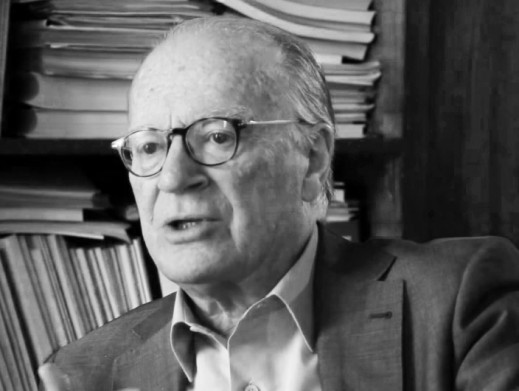
A new essay by Nicolás Sartorius, founder of The Workers' Commissions, former deputy, and deeply committed politician.
We are living through a moment of global political crisis that has been producing harmful effects on humanity as a whole for decades. Democracy, represented to this day in the form of nation states, has experienced what Nicolás Sartorius calls a "jibarization process:” while capitalism expanded like the universe, following the economic and technological impulses of globalization, democracy remained constrained to national borders, thus limiting its own abilities to act.
The Cold War, colonialism and the subsequent processes of decolonization from European powers, the consolidation of the welfare state, and the resurgence of China are essential phenomena to understand the last century’s historical drift. The way different parties have positioned themselves within this context, but also other forces like unions and economic forces—which had to face issues as significant and pressing as the development of artificial intelligence, big data, climate change, or growing inequality—have ended up shaping the delicate situation in which democracy finds itself.
La democracia expansiva reviews the foundations of our system to propose a new, renewed, and global paradigm that overcomes the most harmful elements of capitalism. Against cynicism and an insufficient political culture, Sartorius is committed to an inclusive, democratic, sustainable and more egalitarian Europe and globalization, and to an international policy carried out both from inside and outside the institutions in pursuit of a less unequal world.
“Nicolás Sartorius represented the great hope for the construction of democratic communism first and, later, of a United Left in Spain.” —Antonio Elorza, El País
“Nicolás Sartorius—the boy who dreamed of playing soccer, the young man who understood that facing the dictatorship had nothing to do with lineage or coats of arms, and the man whose surname has become history when it comes to the fundamental fight for democracy.” —María Granizo, elDiario.es